Summary
Product design vacancies are falling, but the need for good UX hasn't disappeared. So it's worth questioning whether our role has become too focused on producing designs rather than shaping what actually ships. AI assisted front end development gives us a way to stay involved beyond handoff, test ideas earlier and catch the gaps between a prototype and a working product. And perhaps it's time we took more responsibility for the experience throughout implementation, working closer with the people building it.
Are UX jobs disappearing, or is the role changing?
The design job market looks pretty rough right now.
Earlier this month, Lenny Rachitsky published an analysis showing around 1,900 open product design roles across more than 9,000 tracked tech companies worldwide. That's 28% fewer than a year earlier.
US hiring figures tell a similar story. Around 12,600 product designers were hired over the latest measured twelve months, compared with 27,600 in 2022. [1]
That's a pretty big drop.
But does this mean UX is becoming less important?
I don't think so.
The figures show us what's happening with hiring. But the reasons behind it are harder to pin down. Companies are dealing with changing budgets, priorities and expectations, and the data doesn't cover every UX role.
Still, it's hard to ignore how quickly expectations are changing.
In the same analysis, Claude became the second most mentioned skill in designer job descriptions, just behind Figma. Even Cursor appeared more frequently than CSS. [1]
So perhaps we should be asking how the role itself needs to evolve.
When did our responsibility stop at the prototype?
Normally, we would do the research, explore solutions, create prototypes, test them, refine the details and eventually hand everything over to engineering.
And then we'd move on to the next project.
But here's what bothers me about that process.
We spend all that time making decisions about how something should work, yet we're often not the people checking whether those decisions survive implementation.
Prototypes look great. Flows make sense. Every little interaction has been considered.
Then it gets built.
But the submit button gives no feedback when the connection is slow. Error messages aren't particularly helpful. And the layout breaks at certain screen sizes.
The implementation might look exactly like our design but is it delivering the experience we intended?
And if it isn't, shouldn't we still be involved?
Are we expected to become developers now?
I think we need to become much more comfortable building things.
And it looks like we're already heading in that direction.
Designer Fund's 2026 AI in Design report surveyed 906 designers across more than 60 countries. Of those surveyed, 65% said they were taking on work traditionally associated with product management, engineering or design engineering. [2]
That's quite a change.
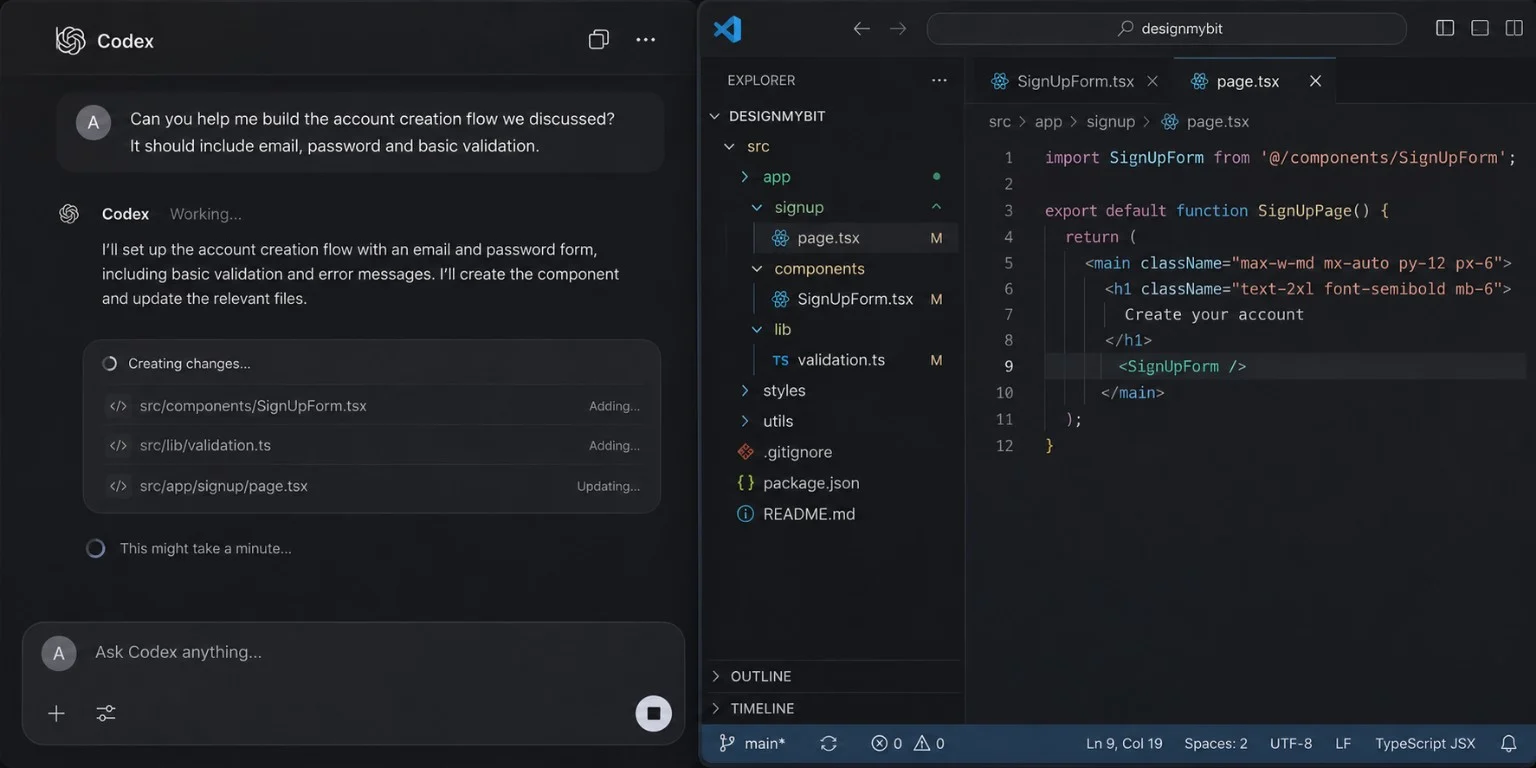
AI assisted development is making it easier.
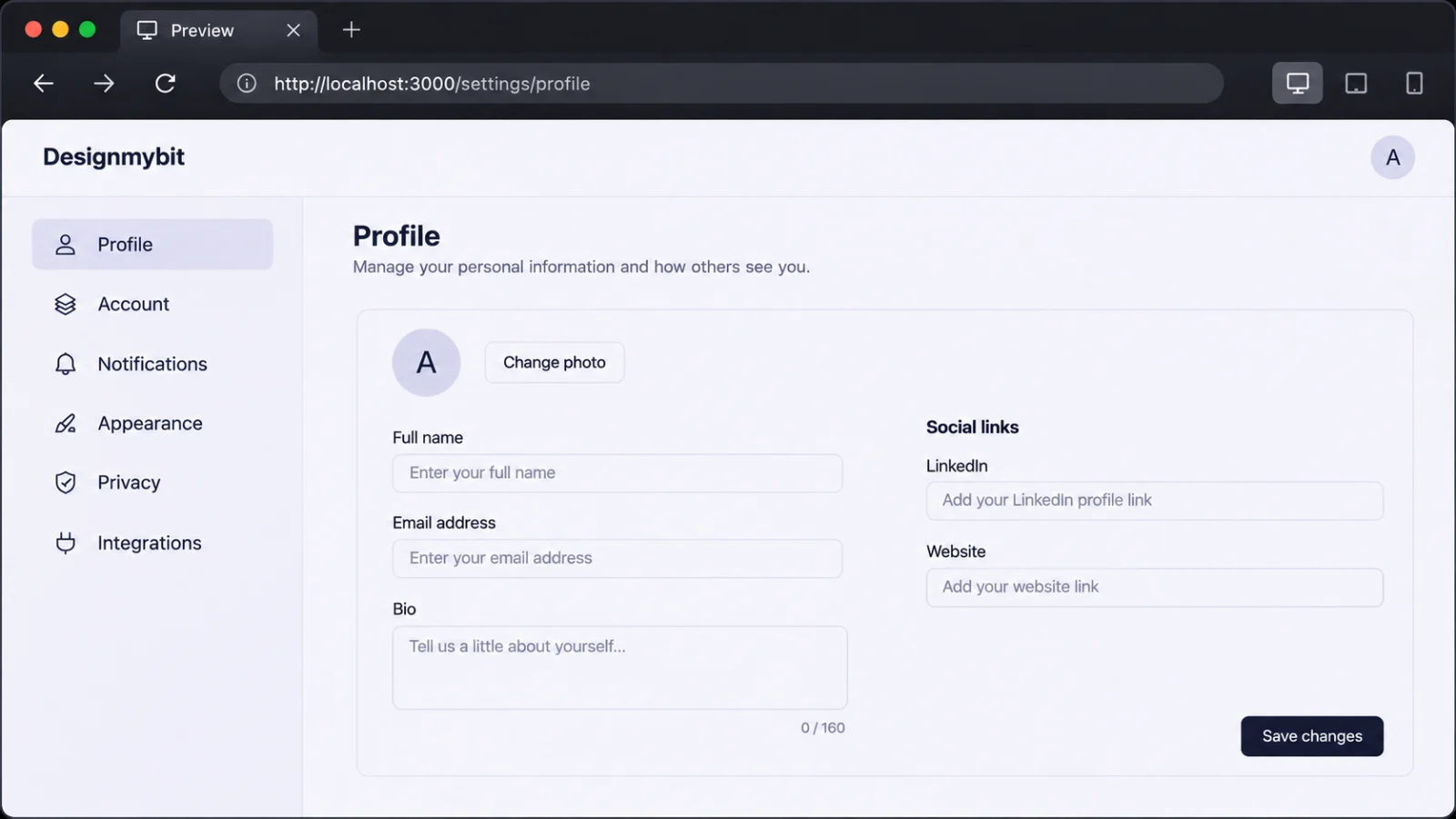
We can now take a design, build a functioning version, experiment with interactions and test how things behave in a browser.
We don't necessarily have to write everything from scratch.
But being able to generate code also comes with responsibility.
Someone still needs to understand what it does, whether it's accessible, whether it follows the design system and whether it's actually solving the right problem.
Engineers bring valuable expertise in architecture, security, performance and maintainability. So working closer with them gives us more opportunities to shape how the experience comes together.
And the more we understand about how our designs are implemented, the better we can contribute to what eventually gets shipped.
So what should we actually be learning?
Understanding HTML, CSS, components and basic JavaScript is becoming increasingly useful.
These skills let us do more with our design knowledge.
Instead of only showing how an interaction should behave, we can build a working version and test it.
We can also explore different states directly in the browser, rather than documenting every possible scenario in Figma.
And by staying involved during implementation, we have more opportunities to catch problems before release.
AI makes all of this more accessible. But knowing how to prompt a coding assistant also needs to come with enough technical understanding to recognise when its output is wrong.
So here's something worth trying.
Take a design you're working on and use an AI coding tool to build a functional version. Then test it on different screen sizes, try keyboard navigation and see what happens when something fails.
Compare it with your original design.
And you'll probably discover things that were never obvious in the prototype.
And you can fix them before they reach users.
I think our role has an opportunity to expand beyond designing how something should work, towards having a much greater influence on how it actually works.
Because if we're designing the user experience, shouldn't we care just as much about what gets built as what gets designed?
Leave a comment